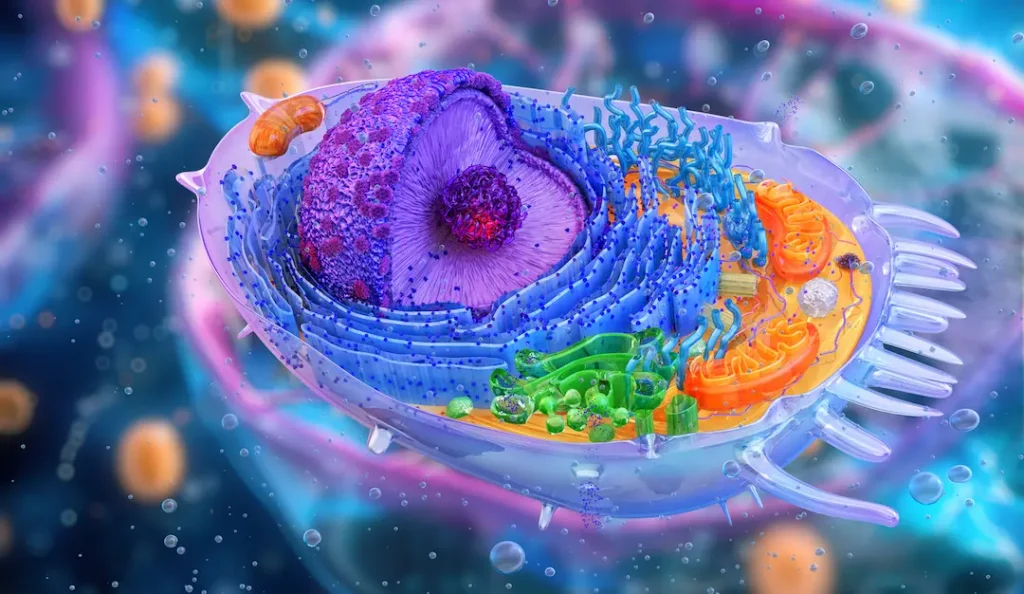
If you’ve been feeling more fatigued, less resilient, or like your energy just isn’t what it used to be, there’s a good chance this conversation starts at the cellular level.
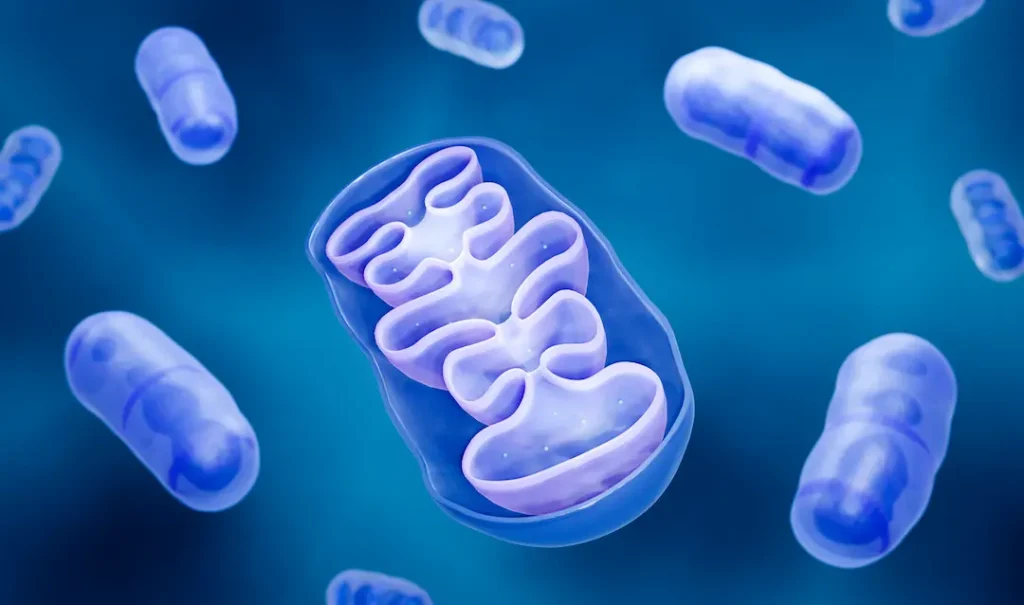
More specifically, it starts with your mitochondria.
These are the structures inside your cells responsible for producing ATP—the energy your body uses to function, repair, and adapt. As we age, mitochondrial function naturally declines. Not abruptly, but gradually.
And when it does, we start to feel it:
- Lower energy
- Brain fog
- Slower recovery
- Reduced metabolic flexibility
This is where NAD+ enters the conversation.
What Is NAD+
NAD+ (nicotinamide adenine dinucleotide) is a coenzyme found in every cell in your body.
It plays a central role in:
- Cellular energy production
- Mitochondrial function
- DNA repair
- Metabolic regulation
- Cellular resilience and aging
You can think of NAD+ as a critical driver of cellular energy and repair. The challenge is that NAD+ levels decline with age—and they can also be depleted by chronic stress, poor sleep, inflammation, alcohol use, and environmental exposures.
Over time, this contributes to mitochondrial dysfunction, increased oxidative stress, and reduced cellular efficiency.
Why NAD+ Matters for Aging and Longevity
NAD+ doesn’t just influence energy—it plays a key role in how we age. One of the most important mechanisms is its relationship with sirtuins, a family of enzymes that regulate cellular repair, inflammation, and longevity pathways.
When NAD+ levels are adequate:
- Sirtuins are activated
- DNA repair processes are supported
- Cellular stress resistance improves
- Metabolic function becomes more efficient
NAD+ is also required for:
- ATP production – supporting cellular energy
- PARP enzyme activity – critical for DNA repair
- Oxidative stress regulation – helping protect cells from damage
As NAD+ declines, these systems become less efficient—which is part of why we see increased susceptibility to fatigue, cognitive decline, and chronic disease with age.
What Supporting NAD+ Looks Like Clinically
When we support NAD+ levels, we are not just “boosting energy.”
We are supporting:
- Mitochondrial efficiency
- Brain function and clarity
- Cellular repair and recovery
- Metabolic stability
- Overall resilience
This is why NAD+ has become such a valuable tool in functional and longevity medicine.
Ways to Support NAD+ Naturally
Before we talk about supplementation, it’s important to understand that NAD+ is also influenced by lifestyle.
Strategies that support NAD+ include:
- Intermittent fasting or time-restricted eating
- Regular exercise
- High-quality sleep
- Reducing alcohol and inflammatory inputs
These help your body maintain and recycle NAD+ more efficiently.
However, for many patients—especially those dealing with fatigue, chronic illness, or high stress—additional support can be helpful.
Understanding Your Options: IV vs. Injection vs. Oral NAD
One of the most common questions we get is: “What’s the difference between IV, injections, and oral NAD?”
Each approach has a role, and the right choice depends on your goals and where your body is starting.
IV NAD: Rapid, Therapeutic Support
IV NAD delivers NAD+ directly into the bloodstream, bypassing digestion and allowing for immediate availability at the cellular level.
This is the most efficient way to raise NAD+ levels quickly.
In clinical practice, IV NAD is often used for:
- Chronic fatigue and burnout
- Brain fog and cognitive decline
- Mood support (anxiety, depression)
- Addiction recovery
- Neurological support
Patients often notice improvements in energy, clarity, and overall resilience—especially after a series of treatments. Because this is a more intensive therapy, it is typically done in a structured series to build NAD stores.
IM / SubQ NAD Injections: Flexible, Ongoing Support
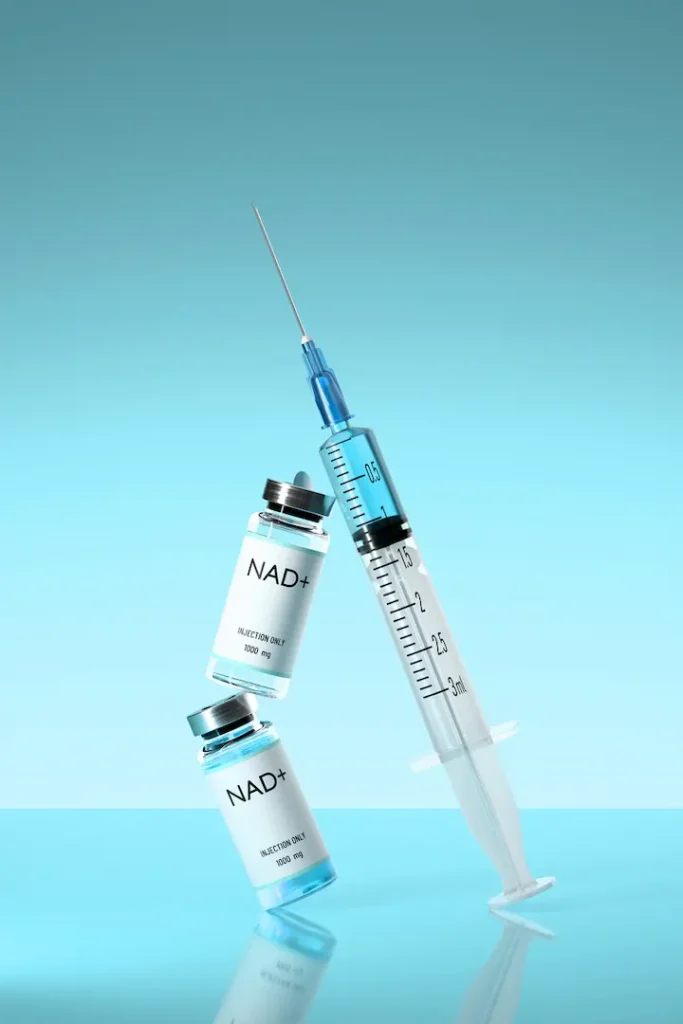
NAD injections (intramuscular or subcutaneous) provide a more gradual and flexible way to support NAD levels.
These can be used:
- As a standalone therapy
- As maintenance after IV NAD
- For ongoing energy and metabolic support
They are typically done in-office or can be used at home in some cases. Compared to IV therapy, injections provide a slower release, making them a practical option for maintaining levels over time.
Oral NAD Supplementation: Foundational Support
Oral supplementation uses NAD precursors—such as nicotinamide riboside (NR) or nicotinamide mononucleotide (NMN)—which the body converts into NAD+.
This approach is:
- Convenient
- Cost-effective
- Best for long-term, foundational support
While oral supplementation does not raise NAD levels as quickly as IV therapy, it plays an important role in maintaining cellular function over time.
In our practice, we often use:
These formulations support mitochondrial function, sirtuin activation, and overall cellular health.
How We Use NAD at Boulder Holistic
At Boulder Holistic Functional Medicine in Boulder, Colorado, we take a personalized approach to NAD support.
Some patients benefit from oral supplementation alone. Others benefit from a series of IV treatments followed by maintenance with injections.
The goal is not just to increase NAD levels—but to support:
- Energy production
- Brain function
- Metabolic health
- Long-term resilience
We also look at the bigger picture—because NAD works best when it is part of a comprehensive strategy that includes nutrition, sleep, stress management, and inflammation support.
A Note on Expectations
NAD therapy is not a quick fix—and it is not meant to replace foundational health habits.
But when used appropriately, it can be a powerful tool to support cellular energy and help patients feel more like themselves again.
As with any therapy, it is important to individualize care and ensure it is the right fit.
Final Thoughts
If your energy is not where it should be, or you feel like your body is not keeping up the way it used to, it is worth looking deeper.
Often, this is not just about lifestyle—it is about cellular energy.
Supporting NAD+ is one way to help restore that foundation.
And when you support energy at the cellular level, everything else—from brain function to resilience—starts to improve. Schedule a consultation with us today to learn more.