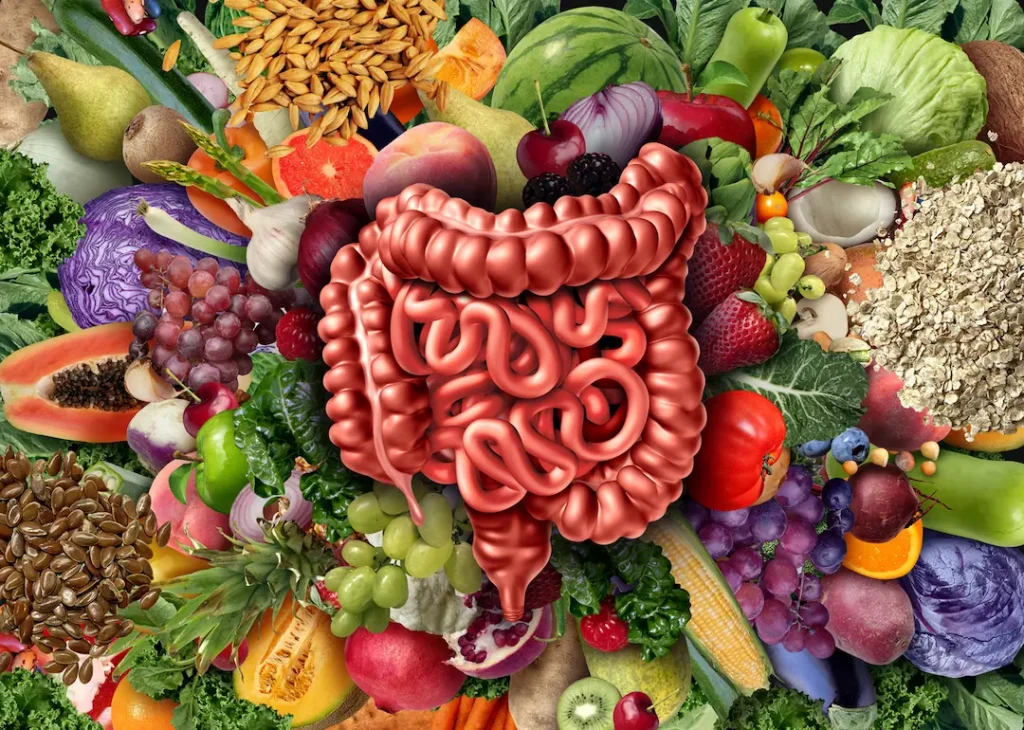
If Part 1, Histamine Intolerance & Food Sensitivity, helped you understand why your body may be reacting to foods, this is where we shift into what you can actually do about it.
Because once you understand that the gut barrier is at the center of both histamine intolerance and food sensitivities, the goal becomes clear:
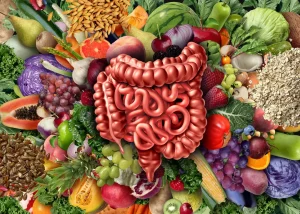
You’re not just avoiding triggers—you’re rebuilding a resilient gut barrier.
Why Gut Healing Changes Everything
When the gut barrier is compromised, the body becomes more reactive.
More food particles cross into the bloodstream.The immune system becomes activated, inflammation increases and histamine builds. Over time, this creates a pattern where symptoms feel unpredictable and often progressively worse.
But the opposite is also true. When the gut barrier begins to heal:
- Immune reactivity decreases
- Histamine breakdown improves
- Inflammation calms
- Food tolerance often expands
This is why gut healing is one of the most important steps in restoring balance.
Step 1: Reduce the Inflammatory Load
Before the gut can heal, we have to reduce what’s irritating it. This doesn’t mean long-term restriction—but it does mean being intentional in the short term.
This may include:
- Temporarily reducing high-histamine foods
- Removing common food sensitivities
- Minimizing alcohol and ultra-processed foods
Think of this as creating a quieter environment for the gut to repair.
Step 2: Support the Gut Lining
The gut lining is dynamic—it can repair itself when given the right support.
Key nutrients that help support this process include:
- L-glutamine
- Zinc carnosine
- Vitamin A and D
- Omega-3 fatty acids
These help strengthen the integrity of the gut barrier and support cellular repair.
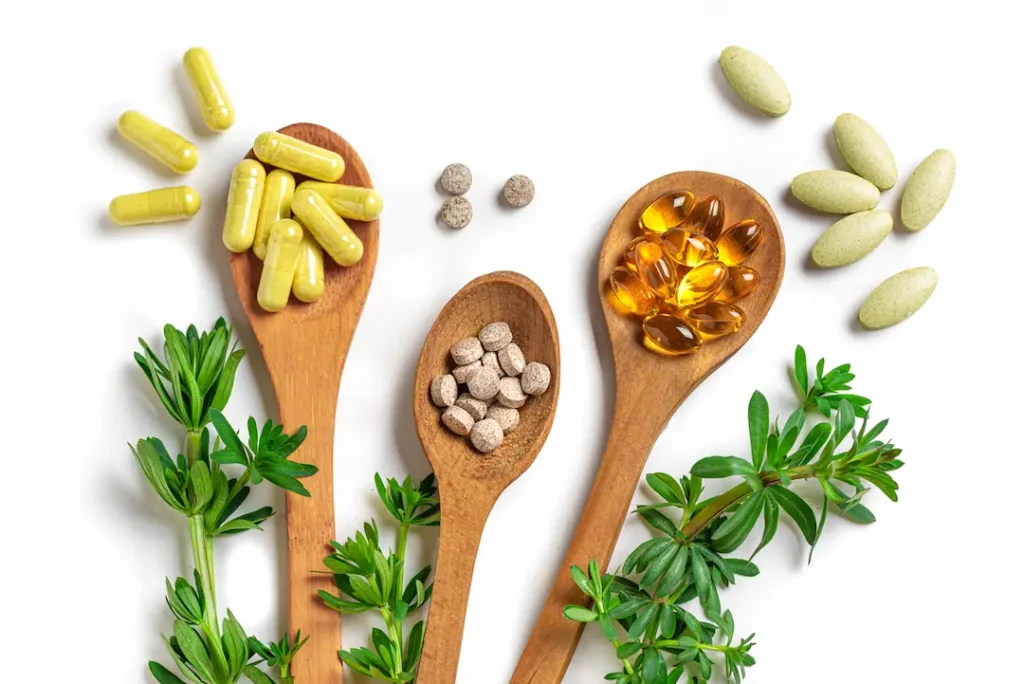
Some herbs can also help support gut healing including aloe vera, curcumin, slippery elm, marshmallow root, DGL, peppermint and ginger.
More advanced gut repair can be achieved using peptides like BPC-157, KVP, GHK-Cu and lorazatide.
Step 3: Support Digestion
Poor digestion can contribute to both histamine issues and food sensitivities. When food is not properly broken down, it places additional stress on the gut and immune system.
Supporting digestion may include:
- Optimizing stomach acid
- Supporting enzyme production
- Eating in a calm, regulated state
Sometimes the issue isn’t just what you’re eating—it’s how well you’re digesting it.
Step 4: Address the Microbiome
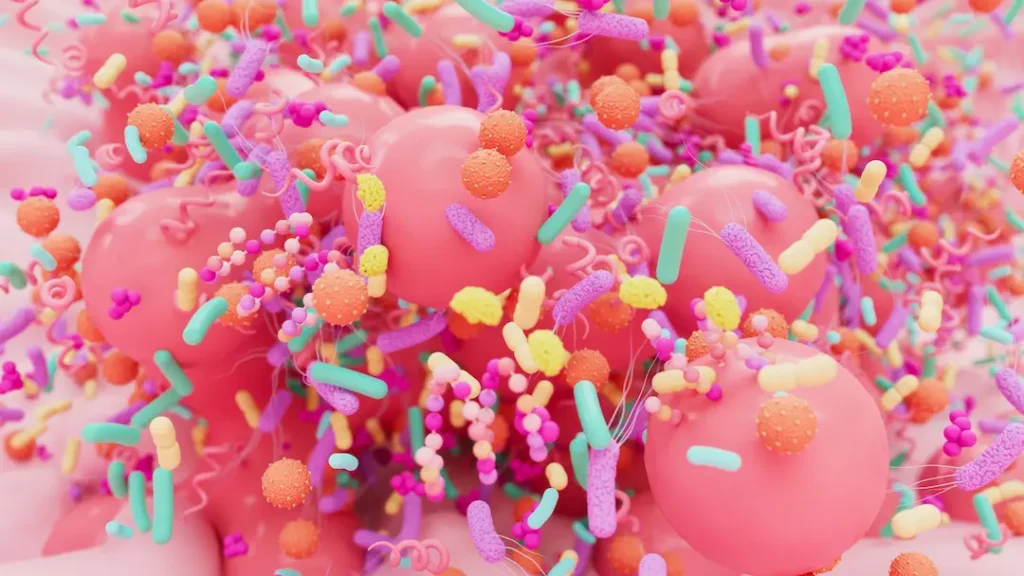
The microbiome plays a critical role in both histamine metabolism and immune regulation.
Imbalances in gut bacteria can:
- Increase histamine production
- Drive inflammation
- Disrupt barrier function
This is where personalized care becomes important.
In some cases, we are working to rebalance the microbiome, support beneficial bacteria, and reduce overgrowth of problematic organisms.
Step 5: Calm the Nervous System
This is one of the most overlooked pieces. Chronic stress directly impacts the gut barrier, immune system, and histamine response.
When the nervous system is dysregulated:
- Gut permeability increases
- Mast cells become more reactive
- Inflammation rises
Supporting the nervous system through breathwork, sleep, and lifestyle changes is not optional—it’s part of the treatment.
More advanced treatments: vagal tone optimization.
Can use free interventions like breathwork and humming or invest in vagal nerve stimulators like Truvega, Vagal Oh!,
Step 6: Individualize the Approach
There is no one-size-fits-all protocol for gut healing. Some people need more focus on inflammation. Others need microbiome support. Others need to address chronic infections, toxins, or stress.
This is why a personalized, functional medicine approach matters.
Final Thoughts
If you’ve been stuck in a cycle of reacting to foods, it’s easy to feel like the solution is to keep removing more and more.
But the goal is not restriction.
The goal is resilience.
When you support the gut barrier, calm inflammation, and restore balance, your body becomes less reactive—and food becomes less of a problem.
At Boulder Holistic Functional Medicine in Boulder, Colorado, this is the work we do every day—helping patients move from reactivity to stability, and from restriction to flexibility.
Because your body is not broken.
It’s responding to something—and when you address the root, things can change. Schedule a consultation here.