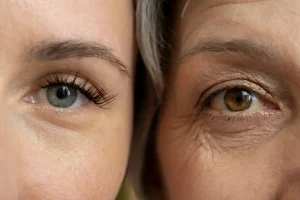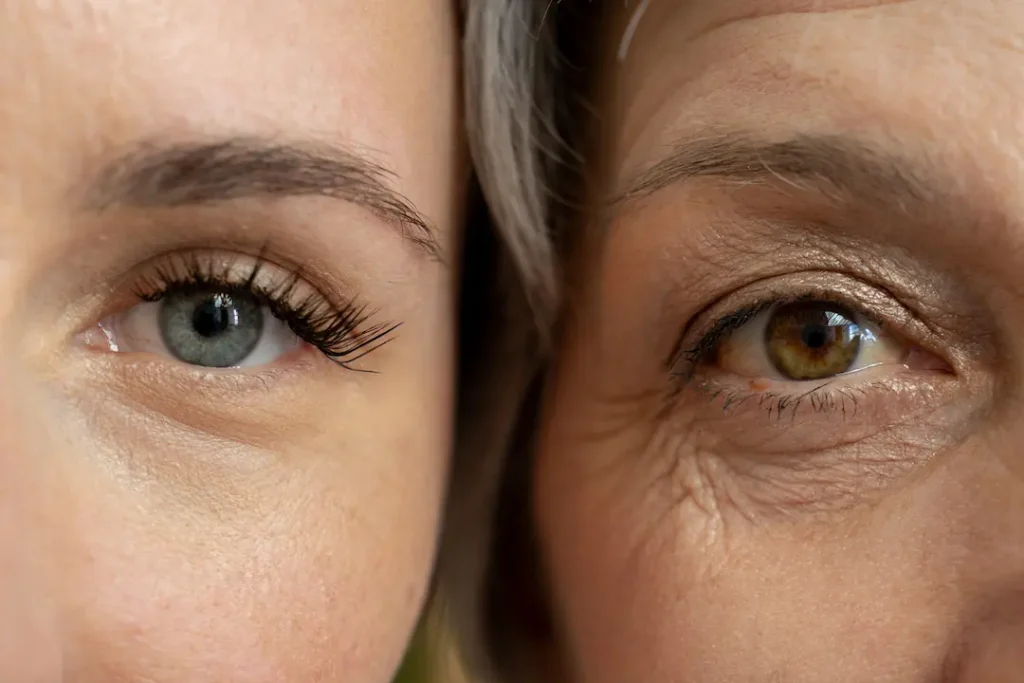
Two people can both be 55 years old on paper—and have bodies that are aging very differently.
We all know someone who seems ten years younger than they are. They have energy, they’re strong, they bounce back quickly, and somehow, they’re the person suggesting a hike while everyone else is looking for a nap.
And then there’s the opposite. Someone the exact same age may already be struggling with chronic fatigue, blood sugar issues, loss of muscle, poor sleep, inflammation, or cardiovascular problems.
Same exact age on their driver’s licenses. Very different things are happening inside their bodies.
This is where the idea of biological age comes in.
We usually think of age as the number of birthdays we’ve had. That’s our chronological age, and unfortunately, there’s no negotiating with that one.
Biological age is different.
Instead of asking, “How many years have you been alive?” biological age asks, “How well is your body functioning for the number of years you’ve been alive?”
And that is a much more interesting question.
So, What Exactly Is Biological Age?
There isn’t one magical test that can tell us exactly how old your body is.
Biological aging is really a reflection of what’s happening across multiple systems—your metabolism, cardiovascular system, muscles, brain, immune system, hormones, and even your cells.
We can get clues from things like blood pressure, blood sugar and insulin sensitivity, cholesterol and triglycerides, inflammation, body composition, muscle strength, cardiovascular fitness, and organ function.
And now we have some pretty fascinating newer technology looking at epigenetics.
You may have seen biological-age tests that use blood or saliva to analyze DNA methylation. Without turning this into a genetics lecture, DNA methylation is essentially one of the ways our bodies regulate which genes are turned up or down. Certain patterns change predictably as we age, allowing scientists to develop what are often called epigenetic clocks.
Very cool science.
But—and this is important—I don’t want anyone losing sleep because a test told them they’re biologically seven years older than they thought. These tests are evolving. They’re one piece of information, not a fortune teller.
I’m much more interested in the bigger question: What is pushing your body toward faster aging, and what can we do about it? Because this is where things get encouraging. At Boulder Holistic Functional Medicine in Boulder, Colorado, we help patients look beyond their chronological age to better understand the metabolic, hormonal, inflammatory, and lifestyle factors that may be influencing how their bodies are aging.
What Makes Us Age Faster?
We can’t control everything about aging. Genetics matter. Our environment matters. Illness happens. Hormonal changes happen. Life happens. But there are several factors that consistently show up when we look at accelerated aging and chronic disease.
Chronic inflammation
Inflammation gets a bad reputation, but we actually need it.
If you cut your finger or get an infection, your immune system creates inflammation for a reason. It’s part of how we heal. The problem is when the inflammatory switch never quite turns off.
Persistent, low-grade inflammation is associated with many of the diseases we see more commonly as we age, including cardiovascular disease, metabolic disease and neurodegenerative conditions. Researchers even have a wonderfully catchy name for this: inflammaging.
Poor metabolic health
This is a big one. Blood sugar isn’t just something we should start paying attention to when someone develops diabetes. Insulin resistance, elevated glucose, excess visceral fat, high triglycerides and other features of metabolic dysfunction can quietly develop for years before someone meets the criteria for diabetes.
And metabolic health is intimately connected to how we age. This is why I care about what is happening before your labs become frankly abnormal. “Normal” and “optimal for long-term health” aren’t always the same thing.
Losing muscle
If I could convince everyone to care about one thing more as they get older, muscle would be very high on my list. We naturally begin losing muscle as we age, particularly if we’re not actively doing something to preserve it.
Muscle helps regulate glucose. It supports your bones. It protects your joints. It helps maintain balance and mobility. And having enough strength can ultimately determine whether you’re still carrying your own groceries, traveling, hiking, gardening and getting off the floor independently decades from now.
One of the most powerful longevity interventions we have doesn’t come in a fancy bottle. It’s picking up something heavy and putting it back down. Repeatedly.
Poor sleep
We have somehow turned functioning on five hours of sleep into a personality trait. I can assure you, your body is not impressed.
Sleep is when an enormous amount of repair and housekeeping takes place. Hormones are regulated. Memories are consolidated. The immune system recalibrates. The brain clears metabolic waste. Glucose regulation is affected. Consistently poor sleep has consequences.
And if you’re getting eight hours but waking up exhausted, snoring heavily, or needing three cups of coffee just to become a functioning member of society, that’s worth investigating too.

Chronic stress without enough recovery
Stress itself isn’t inherently bad. Exercise is stress. Learning something difficult is stress. A challenging project at work can be stress. Our bodies are remarkably good at handling periods of stress. What we’re not particularly good at is never coming out of it.
When every day is go-go-go, sleep is inadequate, meals are eaten over a laptop, exercise disappears, and there is never any real recovery time, eventually the body notices. You don’t need a stress-free life. You need to balance the stressful times of your life with adequate periods of recovery.
Smoking, excessive alcohol and environmental exposures
There isn’t a supplement on the planet that can out-supplement bad habits.
We all know, smoking any substance has negative health consequences. And while an occasional glass of wine isn’t something I’m going to clutch my pearls over, alcohol isn’t a longevity supplement either.
Reducing environmental exposures (read heavy metals, toxic mold, glyphosate and other known toxicants) that repeatedly create oxidative stress, and cellular damage is part of the equation.
Sitting all day
Exercise is fantastic. But working out for 45 minutes and then sitting for the other 12 waking hours isn’t quite the same thing as being an active person.
Walk. Take the stairs. Carry things. Garden. Stand up during phone calls. Chase your kids or grandkids around. Our bodies were designed to move throughout the day.
Okay, So Can We Actually Slow Aging?
This is where I think the conversation about biological age becomes exciting. We cannot stop aging. And despite what certain corners of the internet may promise you, we haven’t discovered a supplement stack that makes aging optional. But we can influence how we age. And, wonderfully, the things with some of the best evidence aren’t particularly glamorous.
1. Build muscle
Strength training a few times a week. Prioritize adequate protein. And don’t wait until you’re 70 to start thinking about muscle. Think of muscle like a retirement account: the earlier you start building it, the more reserve you have later.

2. Challenge your cardiovascular system
Walking is fantastic, and I want people walking. But your heart occasionally needs to work harder than it does strolling through your neighborhood.
Cardiorespiratory fitness is strongly associated with long-term health and longevity. Depending on your health and abilities, incorporate some exercise that gets you breathing harder and challenges your cardiovascular system.
3. Know your metabolic numbers
Don’t wait for diabetes or cardiovascular disease to appear before becoming interested in metabolic health. Know your blood pressure. Know your glucose and A1c. Pay attention to your lipids. Understand your body composition. And then look at the trend, not just one isolated number. If you are seeing these numbers trending in the wrong direction, talk with your provider. We have many tools we can use to help understand your metabolic health and help guide the necessary changes to move the needle on your metabolism.
4. Protect your sleep
You don’t need a perfect evening routine involving seventeen supplements, red lights and a meditation app. Start with the basics. Give yourself enough time to sleep. Keep your schedule reasonably consistent. Get daylight in your eyes in the morning. Keep the bedroom cool and dark. And if you’re doing all of that and still waking up exhausted, figure out why.
5. Eat (mostly) REAL food

Nutrition gets unnecessarily complicated. There are endless debates about the “best” diet for longevity, but most healthy dietary patterns have a few boring things in common:
Lots of plants. Plenty of fiber. Adequate protein. Healthy fats. Nutrient-dense foods. And fewer processed foods that were engineered in a laboratory to make it impossible to eat just one.
You don’t need to eat perfectly. You need to eat well most of the time for a very long time. I like the 80:20 rule, eat really clean 80% of the time, and then 20 % of the time, enjoy your life.
6. Stay connected
This is the longevity intervention nobody can put in a capsule. Relationships matter. Friendship matters. Community matters. Having people who know you and care about you matters. Having something that gets you out of bed in the morning matters.
7. Measure what matters
I’m fascinated by biological-age testing, and I think we’re going to learn much more about it over the coming years. But I don’t want us so focused on getting our biological age from 52 to 47 that we miss what is right in front of us.
Can you carry something heavy? Can you climb a few flights of stairs? How is your blood pressure? How is your metabolic health? Are you sleeping? Do you have energy? Can you get down on the floor and get back up? Can you do the things you love?
Those are longevity markers too.

The Real Goal Is Healthspan
When people tell me they want to live to 100, my first thought is always:
Okay—but what do you want 90 to look like? Because simply adding years isn’t really the goal.
Lifespan is how many years you’re alive. Healthspan is how many of those years you’re healthy enough to enjoy being alive—thinking clearly, moving independently, traveling, playing with your grandchildren, spending time with people you love and doing the things that make your life feel like yours.
That is the version of longevity I’m interested in.
The number you are on your birthday tells us how long you’ve been here but it doesn’t tell us how well you’re aging.
We can’t control every variable, but the things we do repeatedly matter. How we move. How we eat. How we sleep. How we manage our metabolic health. How we recover. How we connect with other people.
The goal isn’t to stay young forever, it’s to stay well for as long as possible. If you’re curious about how well your body is aging, or you’re noticing changes in your energy, metabolism, sleep, body composition, or overall health, schedule a consultation with Boulder Holistic Functional Medicine today.