When most people think about mold illness, they often associate upper respiratory symptoms like cough and sinus issues with musty buildings. But biologically speaking, mold illness is not ONLY a lung problem.
It is, in many ways, a fat problem.
Understanding how mold illness is a “big fat problem” helps explain why mold-related symptoms can be so persistent, why they affect so many body systems, and why effective treatment goes beyond simple detox or avoidance.
Mold Produces Fat-Loving Toxins
Many molds produce compounds called mycotoxins. Mycotoxins are toxic chemical byproducts that molds use for survival. Most clinically relevant mycotoxins are lipophilic, meaning they are fat-soluble.
Unlike water-soluble toxins that can be flushed out easily, fat-soluble toxins tend to embed themselves into fat-rich tissues, making them harder to eliminate.
How Mycotoxins Enter and Invade the Body
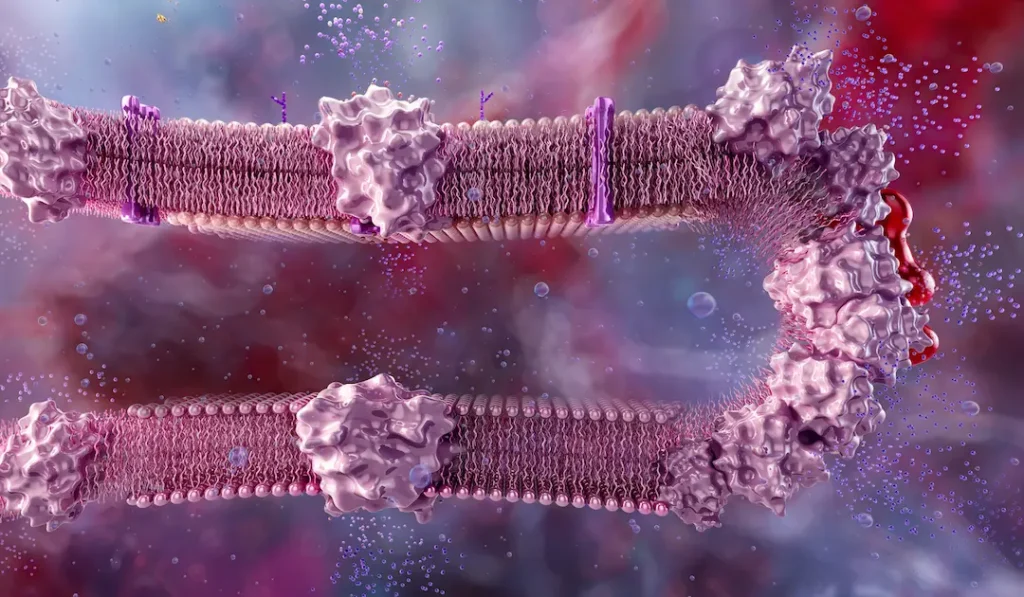
Mycotoxins can enter the body through inhalation, ingestion, or skin contact. Once inside, mycotoxins are drawn to cell membranes, which are largely made of fats called phospholipids.
Because of this, mycotoxins can embed directly into cell membranes, disrupt cellular signaling, and impair energy production. Rather than simply circulating around the body, they insert themselves into the cellular structure itself.
Why Mold Turns the Body Into a Fat Storage Machine
Fat tissue in the body acts as a protective storage site for toxins the body cannot eliminate right away. When exposed to persistent toxins like mycotoxins, the body may increase fat storage as a survival strategy.
This can lead to stubborn weight gain, difficulty losing fat despite lifestyle changes, and what is often referred to as “toxic weight.” This response is actually biological, not behavioral.
Why Hormones Are So Affected
Many hormones are fat-based signaling molecules that rely on healthy cell membranes for proper function. When mycotoxins disrupt fat tissues, hormone signaling also becomes impaired.
This sets the stage for estrogen dominance, adrenal dysfunction, thyroid hormone resistance, mood changes, and sleep disruption, which are symptoms commonly seen in mold-related illness.
The Role of Bile in Mycotoxin Elimination
Because mycotoxins are fat-soluble, bile plays a critical role in their elimination. Bile is produced by the liver and helps bind fats and fat-soluble waste so they can be excreted through stool.
Without adequate bile production and flow and science based targeted binders, mycotoxins are more likely to be reabsorbed, slowing recovery, and prolonging symptoms.
Replacing and Repairing Fats as a Treatment Strategy
Effective mold treatment includes incorporating nutrition, supplements and even intravenous therapies that target repairing damaged fat-based systems.
During mold treatment, a diet focused on clean, anti-inflammatory fats, like the omega 3’s from wild caught salmon, and choline from organic eggs can help rebuild cell membranes.
Supplementation with phospholipids such as phosphatidylcholine and good quality fish oils can help repair cell membranes, improve bile flow, and gradually help the body displace embedded toxins.
If you can, I highly recommend that difficult mold cases incorporate intravenous phosphatidylcholine. At Boulder Holistic Functional Medicine in Boulder, Colorado, our detox IV’s may be used to support deeper cellular membrane repair and toxin mobilization.
Why Recovery Takes Time
Fat turnover and membrane repair occur slowly. Hormonal and detox pathways require patience and proper pacing. For this reason, mold recovery often happens in layers rather than all at once.

The Takeaway
Mold illness is not just about exposure. It is about how fat-soluble toxins interact with cell membranes, hormones, and detox pathways.
By supporting fat biology, bile flow, and cellular repair, the body can gradually release stored toxins and restore balance. Schedule a consultation with us today to learn more.