What longevity really means — and the small, consistent actions that compound into a longer, richer life.
We’ve spent centuries chasing longer lives. But for the first time in history, science is catching up to the dream — and what it’s finding might surprise you. Longevity isn’t a secret supplement or a billionaire’s biohacking regime. It’s a set of principles hiding in plain sight.
Longevity is not simply the absence of death. It is the presence of vitality — the capacity to live well across time. Researchers now distinguish between lifespan (how long you live) and healthspan (how long you live in good health). The goal isn’t more years at any cost. It’s staying active, engaged, and genuinely happy for as many of those years as possible — and then, ideally, declining steeply and briefly at the very end.
“Add life to your years, not just years to your life.”
That reframe changes everything about how we approach health. We’re not trying to outrun death — we’re trying to build a life worth living for as long as we’re here. Strong enough to hike at 75. Sharp enough to be present at 85. Happy enough to feel it all matters.
What science actually knows
For much of history, aging was treated as inevitable and unknowable. Today, it’s studied as a biological process — one with specific mechanisms we can influence. The “hallmarks of aging” framework identifies cellular and molecular changes that drive aging: DNA damage, shortening telomeres, dysfunctional mitochondria, and chronic low-grade inflammation (now nicknamed inflammaging).
The research is clear that genetics explains only about 20–25% of longevity variation. The rest is environment and behavior. This is simultaneously humbling and empowering. You can’t choose your genes — but you have enormous influence over everything else.
Studies on centenarians across the globe — from Sardinia and Okinawa to Loma Linda, California — reveal a consistent picture. Long-lived people aren’t doing extreme things. They move naturally throughout the day, eat mostly whole foods without obsessing over it, sleep well, feel a sense of purpose, and maintain strong social bonds. The formula is ancient. The science confirming it is new.
The habits that actually move the needle
Centenarian research and decades of epidemiology point to the same cluster of behaviors — not exotic interventions, but fundamentals done consistently. Think of these less as a checklist and more as a way of life that accumulates quietly over time.
Muscle Mass
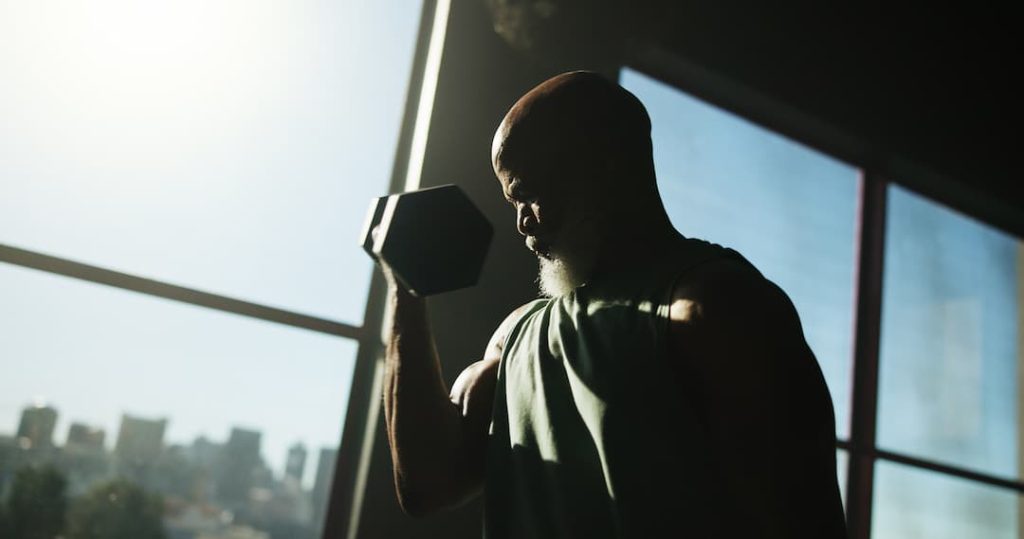
Muscle is your most valuable physical asset. It protects against falls, metabolic disease, and frailty — and we lose it steadily from our 30s onward if we don’t fight for it. Resistance training and enough protein aren’t vanity; they’re the foundation everything else rests on.
Cardiovascular Fitness
Your aerobic capacity — how efficiently your body uses oxygen under load — is one of the most powerful predictors of how long you’ll live. People with low cardiorespiratory fitness face mortality risks that rival smoking. Zone 2 training, done consistently week after week, is the most sustainable way to build it.
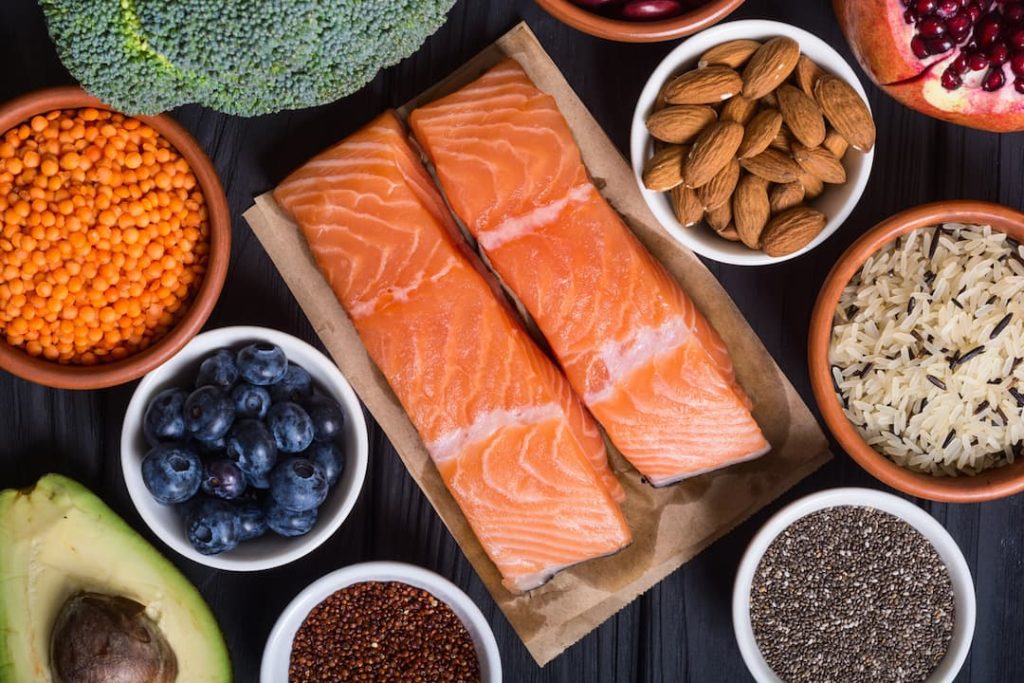
Nutrition
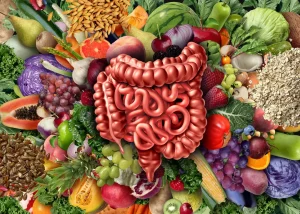
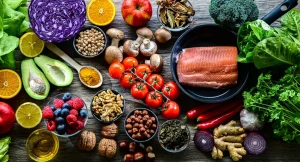
Not a diet — a relationship with food. Mostly whole foods, enough protein, and not eating past the point of fullness. The Blue Zones don’t share a single cuisine; they share an absence of ultra-processed food and a culture of eating together.
Sleep
Seven to nine hours is a biological requirement, not a luxury. Sleep is when the brain clears waste, muscles repair, and the body resets. Chronic short sleep accelerates nearly every aging process we know of.

Relationships
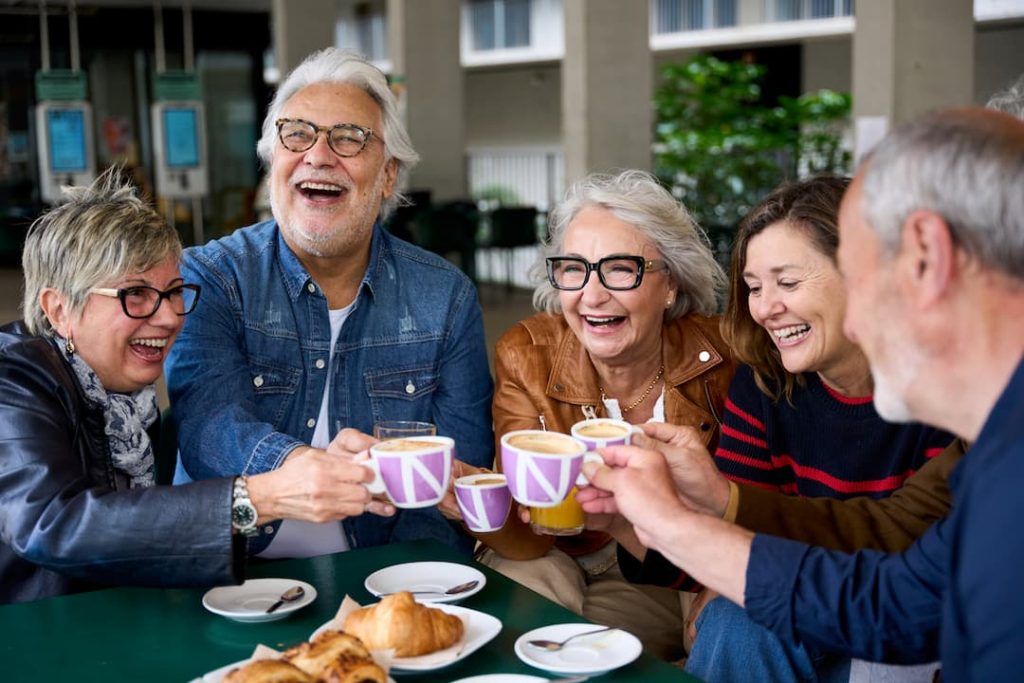
The Harvard Study of Adult Development tracked hundreds of people for over 80 years and found one thing mattered above all else: the quality of their relationships. Loneliness is a physiological stressor. Connection, community, and feeling needed are as protective as any exercise routine.
Purpose
In Okinawa they call it ikigai — a reason for being. In Sardinia, a sense of belonging to something larger than yourself. Purpose isn’t soft; it correlates with lower inflammation, better cognitive function, and longer life across multiple large studies.
Where to actually start
Preserve and build your muscle
Muscle may be the single most important physical asset you can invest in for the long haul. It’s metabolically active tissue that protects against insulin resistance, falls, fractures, and frailty. We start losing it in our 30s at roughly 1% per year if we don’t actively maintain it — and that loss accelerates with age. The remedy is resistance training at least twice a week, paired with adequate protein intake (around 1.6–2g per kg of bodyweight daily). Strong people don’t just live longer — they live more independently, more capably, and with far less fear of the physical world.
Build your aerobic engine
Your aerobic capacity — measured as VO₂ max, your body’s ability to use oxygen under exertion — is among the strongest single predictors of longevity that science has found. A landmark study in JAMA Network Open found that low cardiorespiratory fitness was associated with higher mortality risk than smoking, diabetes, or heart disease. The good news is it’s highly trainable at any age. Zone 2 cardio — a sustainable, conversational pace you can hold for long stretches — is the most effective way to build it. Aim for 150–180 minutes per week. It’s not glamorous, but done consistently over years, it is transformative.
Sleep
Seven to nine hours isn’t a luxury — it’s a biological requirement. The glymphatic system, which clears metabolic waste from the brain (including proteins linked to Alzheimer’s), operates almost exclusively during sleep. Consistent sleep and wake times, a cool dark room, and limiting alcohol (which suppresses deep sleep) are the highest-leverage changes most people can make. If you’re cutting sleep to make time for exercise, you’re borrowing from the very thing that makes exercise work.
Stress
Chronic psychological stress is profoundly aging. It drives cortisol dysregulation, systemic inflammation, and accelerated cellular aging. Acute stress, handled well, is fine — even beneficial. Practices like meditation, time in nature, breathwork, and genuine social connection all modulate the stress response. The goal isn’t numbness; it’s resilience.
Relationships
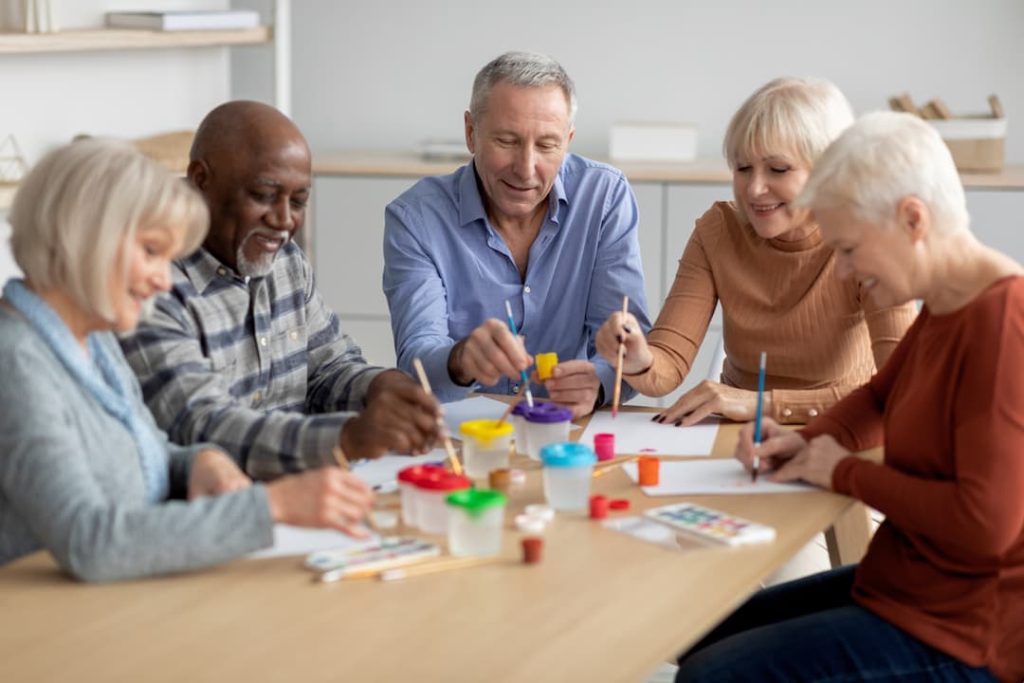
Invest in the people around you with the same intentionality you’d bring to a workout plan. Show up consistently. Make time. The research is unambiguous: people with strong social ties live longer, recover faster from illness, and report higher wellbeing at every age. This isn’t incidental to longevity — it may be central to it.
The mindset shift that changes everything
Most health advice is framed around avoiding death. Longevity science reframes it around building capacity. The question isn’t “what should I avoid?” but “what can I build?” — strength, endurance, cognitive reserve, emotional resilience, deep friendships. These compound over time the way interest compounds in a bank account.
The payoff isn’t just more years. It’s more life in your years. The ability to carry your own groceries at 80. To hike with your grandchildren. To think clearly and feel present. To stay useful, curious, and connected for as long as you’re here — and to go out on your own terms. That’s what longevity is really about. Not the absence of aging, but the fullest possible experience of being alive while we are.
Ready to take your longevity seriously?
At Boulder Holistic Functional Medicine in Boulder, Colorado, we work with you as a whole person, not just your labs and symptoms. Book a consultation and let’s build a plan for the long game together.