If you’ve spent any time in the functional medicine or longevity world lately, you’ve probably heard the buzz around peptides.
They’re being used for everything from:
- Gut healing
- Immune support
- Fat loss
- Anti-aging
But what are they really?
Do they work?
And more importantly—are they safe?
Let’s break it down.
What Are Peptides?
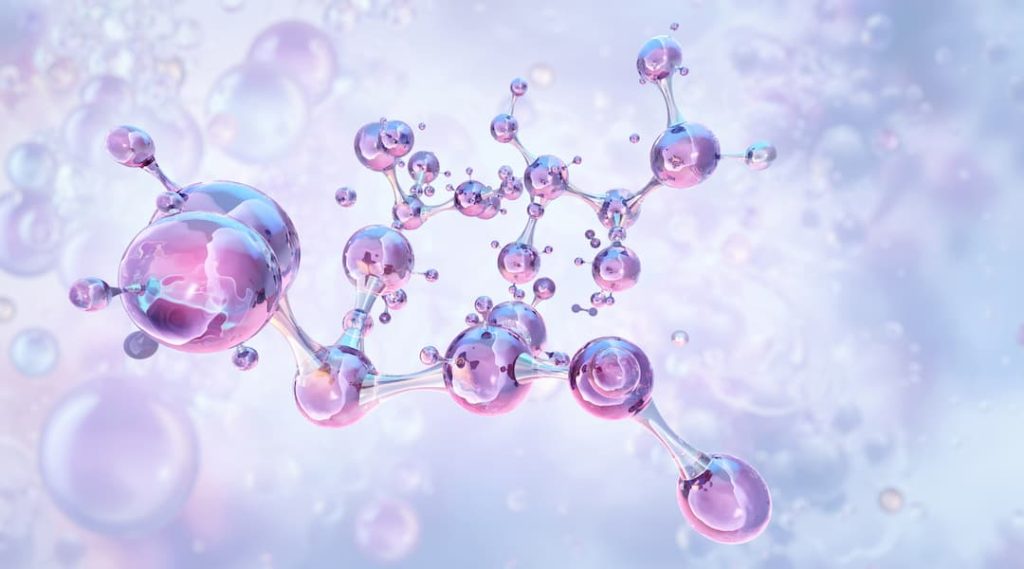
Peptides are short chains of amino acids—essentially small proteins that act as messengers in the body.
Think of them as signals that tell your body what to do.
Your body already produces peptides naturally. They regulate:
- Hormones
- Immune function
- Tissue repair
- Inflammation
- Brain signaling
When we use peptides therapeutically, we’re essentially amplifying or restoring signals the body already understands.

How Do Peptides Work?
Peptides bind to specific receptors on cells and trigger targeted biological responses.
Depending on the peptide, this might include:
- Turning on tissue repair pathways
- Reducing inflammation
- Stimulating immune activity
- Increasing growth factors
Unlike many pharmaceuticals that override physiology, peptides tend to help bring the body back toward balance.
What Are Peptides Good For?
Different peptides have very different uses. Common clinical applications include:
Tissue Repair & Injury Recovery
- Tendons, ligaments, muscle, gut lining, growth hormone signaling
Neurologic Support
- Cognitive function, neuroinflammation, neuropathies
- Sleep, circadian rhythms, gaba support
Immune Modulation
- Chronic infections
- Post-viral syndromes
- Immune dysregulation
Metabolic Health
- Fat loss
- Insulin sensitivity
- Appetite regulation
- Lower cardiovascular risk
Spotlight: BPC-157
One of the most widely used peptides in integrative medicine is BPC-157.

What is it?
A peptide derived from a protein found in gastric juice.
What it does:
- Promotes tissue repair and regeneration
- Supports gut lining healing
- Enhances blood flow (angiogenesis)
- Reduces inflammation
Where it’s used:
- Gut disorders
- Musculoskeletal injuries
- Post-surgical recovery
- Chronic Pain
Animal studies show impressive effects on:
- Tendons
- Nerves
- Intestinal lining
However, human data remains limited, and it is not FDA-approved.
SLyme Spotlight: LL-37
LL-37 is a naturally occurring antimicrobial peptide produced by the immune system.

What it does:
- Directly kills bacteria, viruses, and fungi
- Disrupts biofilms
- Modulates immune response
Where it’s used:
- Chronic infections
- Lyme and co-infections
- Mold-related illness
- Resistant microbial overgrowth
- An antimicrobial agent
- An immune signaling molecule
Peptide Risks (This Part Matters)
Peptides are often marketed as “natural,” but they are biologically active compounds with real physiologic effects.1. Quality and sourcing variability
Products may be:- Underdosed
- Contaminated
- Mislabeled
2. Angiogenesis (an underappreciated risk)
Some peptides, particularly BPC-157 and growth-related peptides, stimulate angiogenesis—the formation of new blood vessels. While this can be beneficial for healing, it raises theoretical concerns:- Could it support unwanted tissue growth?
- Could it accelerate existing tumors or precancerous lesions?
- Active cancer
- History of cancer
- Undiagnosed masses or abnormal findings
3. Long-term safety is unknown
There is a lack of large human trials and long term safety data. Most use is based on animal studies or anecdotal.Bottom Line
- Peptides are targeted signaling molecules that can support healing
- They show promise in tissue repair, immune modulation, and chronic illness
- BPC-157 supports regeneration and blood flow
- LL-37 acts as a potent antimicrobial and immune modulator