
If you’re thinking about your brain health now—not just when something goes wrong—you’re already ahead of the curve.
Most people don’t start worrying about their brain until they notice memory slipping, focus declining, or word recall getting frustrating. Or worse yet, when a family member suddenly is dealing with dementia or cognitive decline. But here’s the part no one really talks about:
Those changes don’t start when you notice them. They start years—often decades—earlier.
What I love about the work of Dr. Dale Bredesen and Dr. Terry Wahls—and what I see clinically all the time—is this: the brain is not fragile. It’s responsive. It’s constantly adapting to the environment you create for it.
So the real question becomes:
What kind of environment are you giving your brain every day?
What’s Actually Driving Brain Decline
Rather than approaching this from a place of fear, it’s much more helpful to understand where you actually have control.
One of the biggest drivers of cognitive decline is metabolic dysfunction.
When blood sugar is constantly spiking and crashing—or when insulin resistance starts creeping in—the brain doesn’t get clean, efficient fuel. Instead, it gets inflammation, oxidative stress, and impaired signaling. Over time, that creates a brain that is underpowered and more vulnerable.
This is why Alzheimer’s is often referred to as “type 3 diabetes.” It’s not just about sugar—it’s about how the brain processes energy.
But it’s not just glucose.
Lipid health plays a huge role, and it’s often misunderstood. Cholesterol itself isn’t the issue. The problem is damaged, oxidized lipids. These contribute to vascular injury, meaning blood vessels don’t function the way they should. And when that happens, the brain isn’t getting the oxygen and nutrients it depends on.
Layered on top of that is chronic inflammation—from diet, gut dysfunction, stress, and environmental exposures. Inflammation disrupts neurotransmitters, damages neurons, and accelerates cognitive decline.
When you zoom out, most brain degeneration is being driven by a combination of unstable blood sugar, inflammatory inputs, damaged fats, and impaired circulation.
The encouraging part?
Every single one of these issues is modifiable through lifestyle, food and targeted supplementation.
You Are Building Your Brain Every Day
This is where people expect complexity—but the foundation is actually straightforward.
Your brain is built from what you eat, and it responds to the signals your food sends.
I like to think of food in two categories: foods that support brain structure and those that support brain signaling.
Some nutrients literally become part of your brain. Others influence how your brain behaves—turning inflammation up or down, supporting or disrupting communication between neurons.
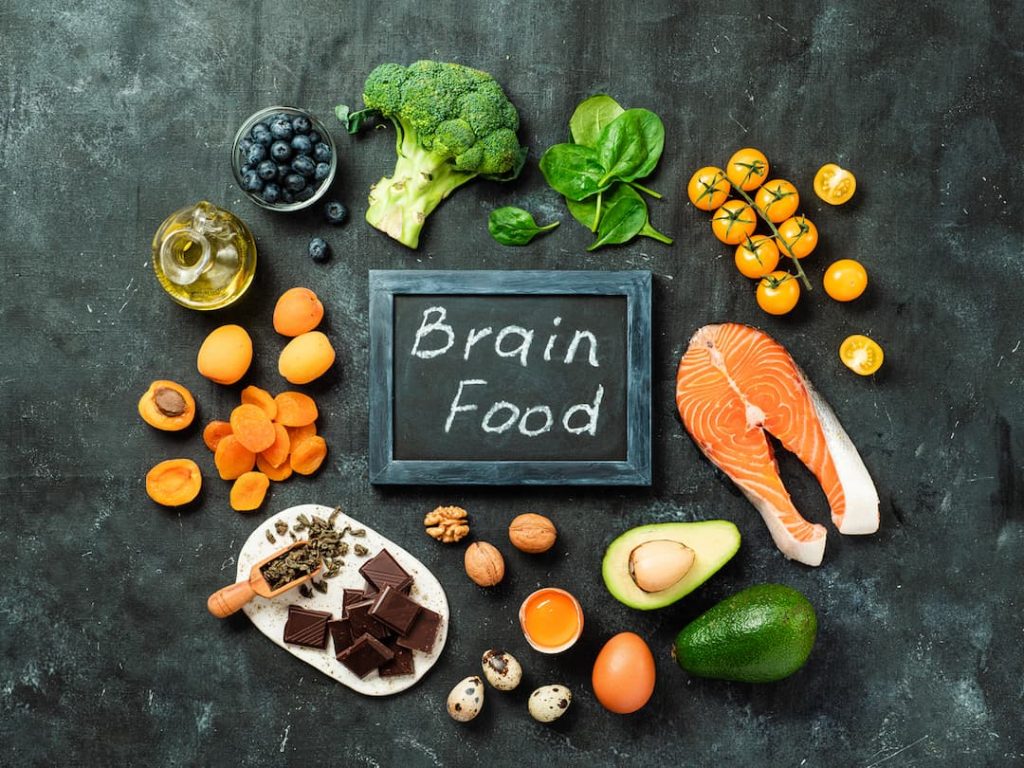
Foods like leafy greens, berries, olive oil, and herbs are rich in polyphenols—compounds that help protect neurons and improve how brain cells communicate. These aren’t just “healthy foods”—they actively make your brain more resilient.

Omega-3s: One of the Most Important Nutrients
Omega-3 fats—especially DHA—are a cornerstone of brain health. DHA is a major structural component of brain cell membranes and plays a direct role in how well your neurons communicate.
When levels are low, membranes become less fluid, signaling becomes less efficient, and inflammation tends to increase. Clinically, this is one of the most common deficiencies I see.
Ideally, you’re getting omega-3s from food sources like wild-caught fish. But for many people, supplementation becomes an important part of the picture.
In our practice, we tailor this based on what someone needs:
- For foundational support, a high-quality EPA/DHA product like MonoPure can be a great place to start.
- If we’re really focusing on inflammation resolution, we often use Ultimate Fish Oil (Xymogen Omega Pure PRM), which is formulated to help the body actively resolve inflammation—not just reduce it.
- And for more targeted brain support—especially in patients dealing with brain fog or looking for higher-level cognitive support—we may use Prodrome Neuro, a more advanced, highly concentrated omega-3 designed specifically with brain function in mind.
The goal isn’t just “taking fish oil.”
It’s making sure your brain has the raw materials it needs to build healthy, flexible, functional cell membranes.
Choline: The Missing Link for Memory and Brain Cell Integrity
Choline is one of the most overlooked—and most impactful—nutrients when it comes to brain health.
It plays a dual role.
First, it’s the precursor to acetylcholine, the neurotransmitter responsible for memory, learning, and focus. When acetylcholine is low, people often notice issues with recall, concentration, or that “foggy” feeling where information just doesn’t stick.
But choline is also structural. It’s a key component of phosphatidylcholine, one of the primary building blocks of cell membranes. So now we’re not just talking about neurotransmitters—we’re talking about the integrity of brain cells themselves.
Clinically, when someone is low in choline, you often see both cognitive symptoms and underlying membrane dysfunction.
Food sources like egg yolks, liver, and certain meats can help, and I always encourage patients to include these when possible.
But in practice, many people either aren’t getting enough—or need more therapeutic support, especially if we’re working on cognitive optimization or repair.
In those cases, I often use targeted phosphatidylcholine support:
- BodyBio Pure PC as a foundational option for supporting cell membrane health
- Quicksilver Scientific’s Membrane Mend for more advanced membrane repair and improved nutrient delivery
- And in more complex cases, intravenous phosphatidylcholine (IV Essential N), which allows for direct delivery and can have a more profound impact on cellular function and repair
Again, the goal isn’t just to “boost memory.”
It’s to support the structure and function of brain cells at the level where real change happens.
What You Eat Matters—Both Ways
What you eat consistently is either supporting your brain—or quietly working against it.
It’s easy to focus on what to add in, but just as important is what you’re minimizing. Diets high in refined sugars, ultra-processed foods, and inflammatory fats don’t just impact weight or energy—they directly affect brain function.
These foods drive blood sugar instability, increase inflammation, damage cell membranes, and impair the very signaling pathways we’re trying to support.
Over time, this creates an internal environment where the brain has to work harder just to maintain baseline function—let alone thrive.
On the flip side, when you consistently choose whole, nutrient-dense foods, you’re sending a completely different message to your body: one of stability, repair, and resilience.
Do You Need to Follow a Specific Diet?
For some people, having a structured framework makes this easier.
Several dietary patterns have been studied and shown to support brain and cardiovascular health, including the Mediterranean diet, the MIND diet, and the DASH diet.
More targeted approaches also exist. Dr. Dale Bredesen outlines a KetoFlex 12/3 approach (https://www.apollohealthco.com/ketoflex-12-3/ ), which focuses on metabolic flexibility and reducing insulin resistance. Dr. Terry Wahls (https://www.amazon.com/Wahls-Protocol-Autoimmune-Conditions-Principles/dp/1583335544) developed a nutrient-dense, paleolithic-style protocol that has shown powerful effects in neurodegenerative conditions.
I don’t believe there is one single “perfect” diet for everyone—but these frameworks can be helpful starting points.
What matters most is that your nutrition is consistently supporting stable blood sugar, reducing inflammation, and providing the building blocks your brain needs to function well.
Why Membrane Health Matters More Than You Think
If there’s one concept that doesn’t get enough attention, it’s this: your brain cells are only as healthy as their membranes.
Every neuron is surrounded by a membrane that controls communication, signaling, and protection. When those membranes are flexible and intact, signals move efficiently and neurotransmitters can do their job.
When they’re damaged—often from poor fats, oxidative stress, or nutrient deficiencies—everything becomes less efficient. Signals slow down. Communication becomes impaired. The brain starts to feel “off.”
This is why the types of fats you consume matter so much.
Omega-3s, phospholipids like phosphatidylcholine, and antioxidants all help maintain membrane integrity. It’s not just about avoiding harmful inputs—it’s about actively building strong, functional ones.
Supporting Neurotransmitters
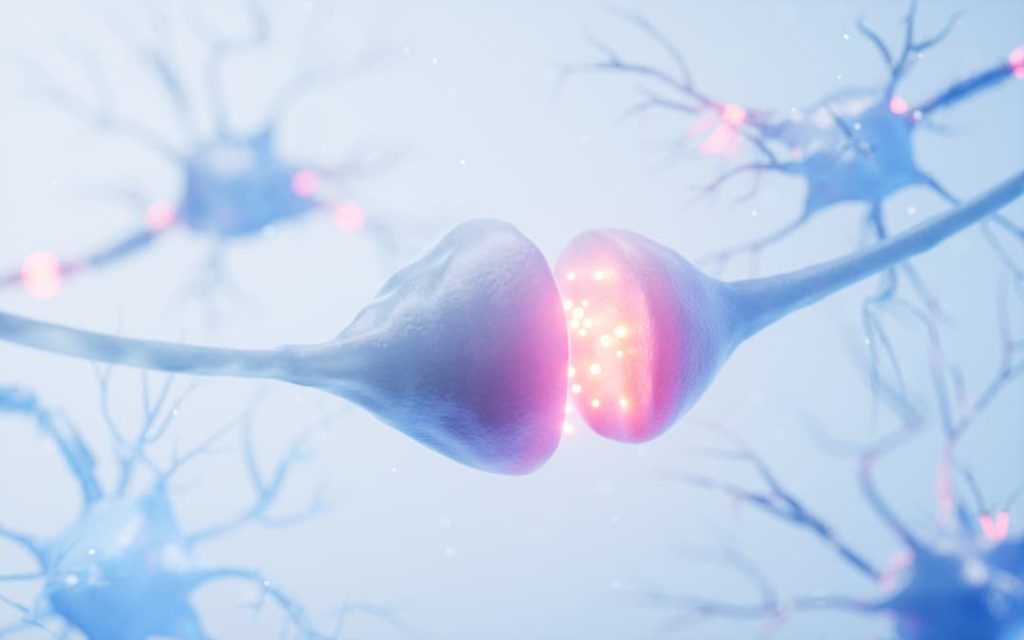
Once the structure of the brain is supported, we shift to function—and that’s where neurotransmitters come in.
Acetylcholine is central to memory and learning. Dopamine influences motivation and drive. Serotonin supports mood and overall cognitive balance.
What’s important to understand is that these systems don’t operate in isolation. They depend on nutrient status, sleep, gut health, and overall metabolic function.
This is why I rarely think in terms of “boosting one neurotransmitter.”
It’s about creating the conditions where all of them can function properly.
Where This Leads
At this point, we’ve built the foundation—how the brain is fueled, protected, and supported at a cellular level.
But there’s one critical piece we haven’t fully addressed yet:
Delivery.
You can eat well. You can take the right supplements. You can support membranes and neurotransmitters.
But if blood flow is impaired—or if lifestyle factors aren’t supporting the system as a whole—the brain still doesn’t get what it needs.
In Part 2, we’ll bring this all together—looking at blood flow, exercise, sleep, stress, and how to actually translate all of this into daily habits that support long-term brain health.
Because ultimately, it’s not just about what you do—it’s about what your brain actually receives. At Boulder Holistic Functional Medicine in Boulder, Colorado, we are here to help! Schedule a call today to learn more.