Have you ever eaten a “healthy” meal—and then felt… off?
Maybe you felt bloated, foggy, flushed, anxious, or just not quite right. If that sounds familiar, you’re not alone. A lot of patients I see feel like food has suddenly become unpredictable. They’re eating well, trying to do the right things—and yet they’re reacting.
Two of the most common reasons for this are histamine intolerance and food sensitivities. The challenge is that they can look very similar—but they’re not the same thing, and they require different approaches.
And underneath both of them, there is often a deeper root: the health of your gut barrier.
What Is Histamine Intolerance?
Histamine is a natural chemical in the body that plays important roles in immune function, digestion, and the nervous system.Your body is constantly producing histamine—and just as importantly, it’s constantly breaking it down. This is where enzymes come in, primarily DAO (diamine oxidase) and HNMT. These enzymes help keep histamine levels balanced.
But when that system isn’t working well—whether due to gut dysfunction, nutrient deficiencies, chronic stress, or genetics—histamine can begin to accumulate. And when histamine builds up, symptoms follow.
Common symptoms include flushing or redness, headaches or migraines, hives or itching, nasal congestion, diarrhea or digestive upset, rapid heart rate, anxiety or a “wired” feeling, and dizziness.
One of the most important clues with histamine intolerance is timing.
Symptoms often happen quickly—sometimes during a meal or within a few hours after—especially when eating foods that are high in histamine or that trigger its release.
Common High-Histamine Foods
If histamine intolerance is part of the picture, certain foods can trigger symptoms more easily—especially when exposure builds over the course of a day.
Common high-histamine or histamine-releasing foods include alcohol (especially wine and champagne), aged cheeses, fermented foods such as sauerkraut, kimchi, kombucha, and yogurt, processed or smoked meats, leftovers, tomatoes, spinach, avocado, eggplant, vinegar-containing foods, and in some individuals, bone broth.
Histamine tends to be dose-dependent, meaning you may tolerate small amounts, but symptoms appear when your overall histamine load becomes too high.
Lower-Histamine Foods (Short-Term Support)
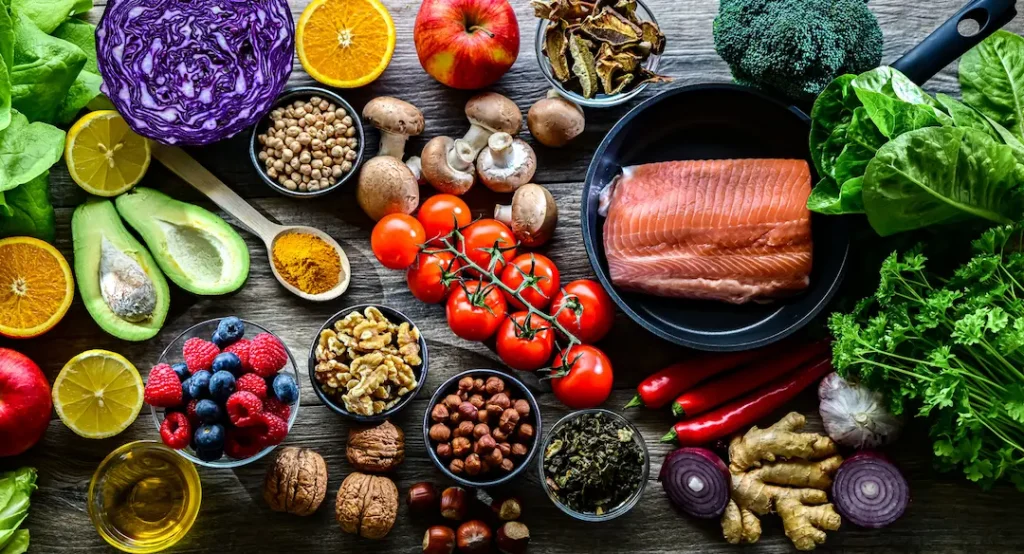
If you’re exploring whether histamine is contributing to your symptoms, focusing on fresher, lower-histamine foods can be helpful as a short-term reset.
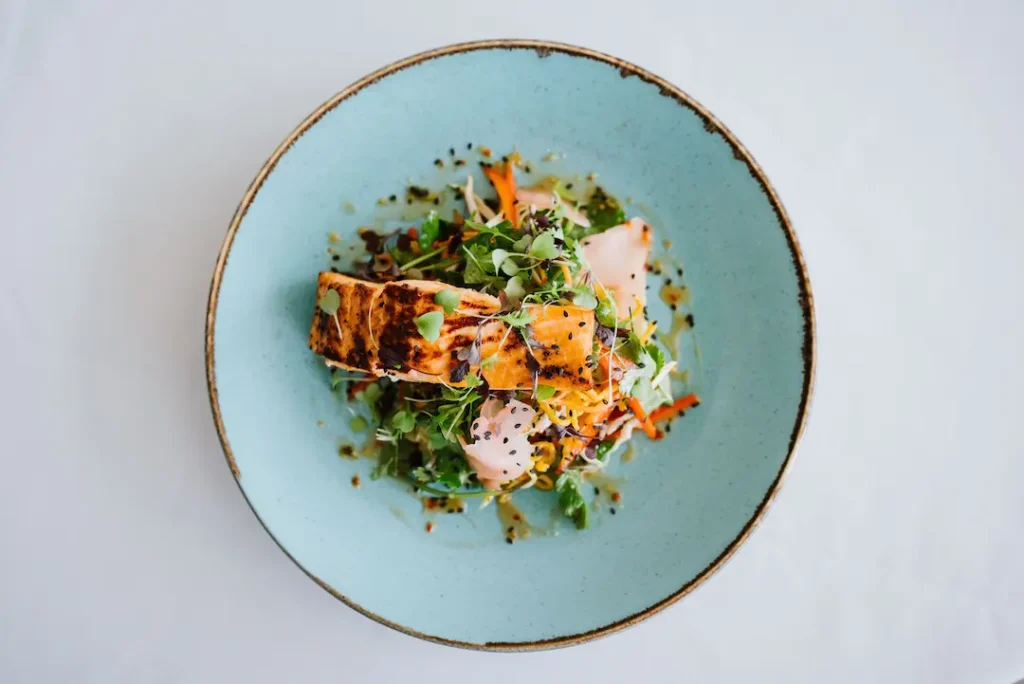
These include freshly cooked meats and poultry, fresh fish, most vegetables (except spinach, tomatoes, and eggplant), leafy greens, zucchini, carrots, cucumber, rice, quinoa, olive oil, fresh herbs, and fruits like apples, pears, and berries in moderation.
The goal here is not long-term restriction—it’s to calm the system and create clarity around your symptoms.
What Are Food Sensitivities?
Food sensitivities are different.
They do not involve the immediate IgE response seen in food allergies. Instead, they are typically driven by delayed immune activation or dysfunction of the gut barrier. In other words, your body is reacting—but not right away. Instead, it creates a slower, more systemic inflammatory response.
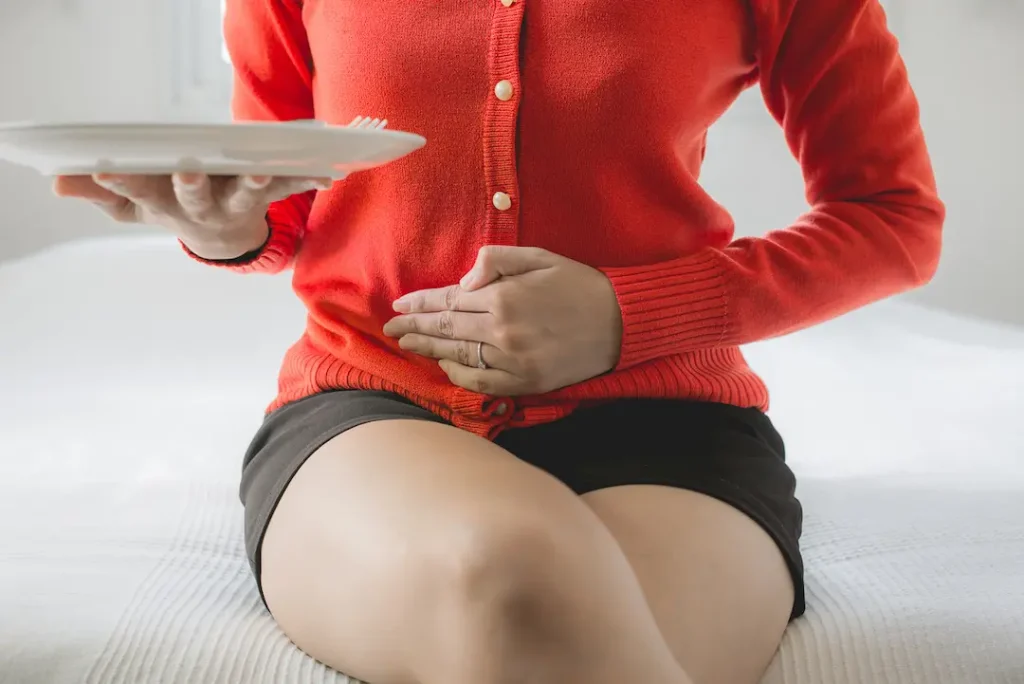
Common symptoms include bloating, fatigue, brain fog, joint pain, skin issues, and mood changes.
The defining feature here is delayed timing. Symptoms often show up 24 to 72 hours later, which makes them much harder to identify and connect to specific foods.
Common Food Sensitivities
While sensitivities vary from person to person, the most common triggers include gluten, dairy, eggs, corn, soy, nuts (especially peanuts), shellfish, sugar, and food additives such as preservatives, dyes, and gums.
These foods are not inherently harmful—but in certain individuals, they can trigger inflammation and immune activation.
Why These Get Confused
Both histamine intolerance and food sensitivities can cause digestive symptoms, brain fog, fatigue, skin reactions, and a general sense that something is not quite right. The difference is in the pattern.
Histamine reactions tend to be fast, immediate, and often feel like allergy-type responses.
Food sensitivities tend to be delayed, systemic, and inflammatory.
The Gut Barrier: Where This All Connects
One of the most important—and often overlooked—concepts in understanding both histamine intolerance and food sensitivities is the role of the gut barrier.
Think of the gut lining as a highly intelligent filter, not just a passive wall. It is only one cell thick, yet it has to:
- Allow nutrients to pass through
- Keep toxins and pathogens out
- Communicate with the immune system
- Interact with the nervous system
When this system is working well, you don’t notice it. When it’s not, food reactivity begins to show up.
How the Gut Barrier Drives Food Sensitivities
Food sensitivities often begin with increased intestinal permeability, commonly referred to as a “leaky gut.” When the gut barrier becomes more permeable, larger food particles can pass through into the bloodstream when they normally would not. The immune system recognizes these particles as foreign and mounts a response.
Over time, this can lead to IgG or IgA-mediated reactions, chronic low-grade inflammation, and an expanding list of food sensitivities.
This is why many patients feel like they are reacting to more and more foods over time—it reflects a breakdown in barrier function.
The Gut Barrier and Histamine
Histamine intolerance follows a different pathway, but the gut barrier is still central.
DAO, the enzyme responsible for breaking down histamine, is produced in the cells of the intestinal lining. When the gut lining is inflamed or damaged, DAO production decreases, allowing histamine to accumulate. At the same time, mast cells—located just beneath the gut lining—can become more reactive when the gut is irritated, leading to increased histamine release.
This creates a compounding effect:
- More histamine is being released
- Less histamine is being broken down
Which amplifies symptoms.
The Microbiome Connection
The gut microbiome adds another layer. Some bacteria in the microbiome produce histamine, while others help break it down. When there is an imbalance in the microbiome, this can shift the system toward higher histamine levels.
Microbial imbalance, infection, mold colonization, and gut dysfunction can also contribute to both food sensitivities and histamine intolerance at the same time.
The “Stacking Effect”
These processes often build on each other.
The gut barrier becomes compromised. Food particles cross into the bloodstream. The immune system becomes activated. Inflammation increases. Mast cells become more reactive. Histamine levels rise. DAO activity decreases.
This creates a cycle where symptoms become more frequent, more intense, and more difficult to predict.
This is why many patients feel like their body is reacting to everything.
Why It’s Often Not Just One or the Other
In clinical practice, it is very common to see both histamine intolerance and food sensitivities at the same time. This is because they share underlying drivers such as gut dysfunction, inflammation, microbial imbalance, and stress.
How to Start Figuring It Out
Start with awareness.
Pay attention to timing. Do symptoms happen quickly after eating, or do they show up the next day?
Use a food and symptom journal to begin identifying patterns.
A short-term low-histamine diet can help if symptoms are immediate. An elimination diet can help identify food sensitivities when symptoms are delayed.
Testing can also be helpful and may include blood histamine levels, food sensitivity panels, and gut testing to evaluate dysbiosis and barrier function.

Final Thoughts
If food has started to feel unpredictable or frustrating, there is a reason. Your body is not reacting randomly—it is responding to something.
Histamine intolerance and food sensitivities are two of the most common drivers we see, but they are often just part of a bigger picture.
When you begin to address the underlying factors—especially the health of the gut barrier—things start to shift. Symptoms become more predictable. Food becomes less reactive. And over time, tolerance can improve.
You don’t have to live in a place where food feels like the enemy.
If you’re not sure what’s driving your symptoms, we can help you identify the root cause and create a personalized plan to support your healing.
Look to future blogs for guidance on healing the gut barrier coming soon! Schedule a consultation with us today.