
Why chronic illness can leave your nervous system on high alert—and make healing feel impossible.
Have you ever felt like your body is reacting to absolutely everything?
A supplement that was supposed to help makes you feel worse. Foods you previously tolerated suddenly cause symptoms. A stressful conversation leaves you exhausted for the rest of the day. Your brain is foggy, your sleep is terrible, and your nervous system seems to have developed a mind of its own.
For some patients, it feels like their body has become allergic to the world. If this sounds familiar, I want to introduce you to a concept: limbic lock.
The idea is that sometimes our brain’s threat-detection systems become so sensitized that our bodies have difficulty returning to a calmer, more regulated state. And for people dealing with complex chronic illness, this may be an important piece of the healing puzzle.
What Is Limbic Lock?
Your brain is designed to protect you. When you encounter a threat—whether it’s an infection, environmental exposure, physical injury, or emotional trauma—your nervous system activates protective responses. Your heart rate increases. Stress hormones are released. Your immune system becomes more vigilant. Digestion, sleep, and restorative processes may be disrupted.
This is exactly what your body is supposed to do when you’re in danger. But what happens when that danger continues for months or years? Or when the original trigger has improved, but your nervous system remains unusually sensitive?
The term limbic lock describes a proposed state in which the brain’s threat-processing networks remain persistently activated, potentially contributing to heightened sensitivity, exaggerated stress responses, and difficulty returning to baseline.
It’s not a formal medical diagnosis, but it offers a useful way to think about the relationship between the brain, nervous system, and chronic illness.
Meet Your Brain’s Alarm System
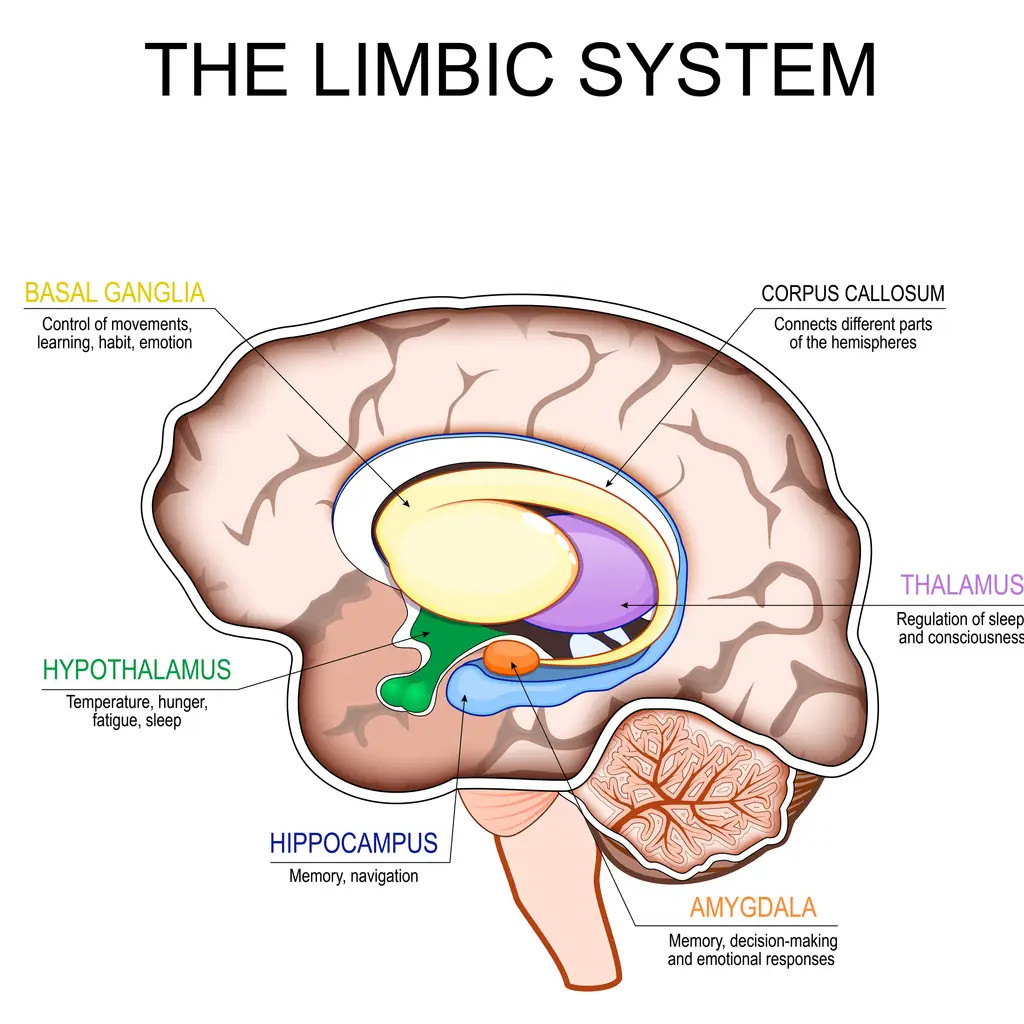
Several areas of the brain work together to determine whether we feel safe or threatened.

The Insula: Your Internal Body Scanner
The insula monitors and interprets signals from inside your body, including your heartbeat, breathing, digestion, and pain. When this system becomes overly sensitive, ordinary bodily sensations may feel unusually intense or alarming. Patients sometimes describe this as feeling unsafe inside their own bodies.
The Amygdala: Your Threat Detector
The amygdala helps recognize potential danger and coordinates responses with other brain regions. After repeated illness, pain, or frightening experiences, the brain may become more reactive to reminders of previous threats. For example, someone who has experienced severe reactions to supplements may become increasingly anxious about trying anything new.
This doesn’t mean their symptoms are imaginary. Genuine physiological reactions and learned threat responses can coexist.
The Prefrontal Cortex: Your Braking System
The prefrontal cortex helps us reason, plan, regulate emotions, and evaluate whether something is actually dangerous. Under prolonged stress, these regulatory functions may become less effective. The result? Brain fog, difficulty making decisions, emotional overwhelm, and that frustrating feeling that your brain just won’t shut off.
The Hypothalamus: Your Stress Response Coordinator
The hypothalamus helps regulate stress hormones and the autonomic nervous system. When stress-response systems remain highly activated, sleep, digestion, energy, and other physiological functions can be affected.
What Triggers Limbic Lock?
In my practice, I frequently see patients whose symptoms began after a major physical or emotional stressor.
Potential contributors to nervous system sensitization include:
- Mold exposure and water-damaged environments
- Lyme disease and other infections
- Long COVID and postinfectious illness
- Emotional trauma or PTSD
- Surgery, injury, or chronic pain
- Prolonged sleep deprivation
- Repeated allergic reactions or frightening medical experiences
- Chronic inflammation and ongoing physical stress
These conditions don’t all share the same underlying mechanisms, and not every patient develops heightened nervous system sensitivity. But in some individuals, prolonged illness and repeated stressors may contribute to persistent changes in how the nervous system processes threats.
What Does This Look Like in Real Life?
One of the most interesting points from the conference was the relationship between nervous system sensitization and treatment intolerance. I see this frequently in patients with complex chronic illness.
They’ve tried multiple medications, supplements, antimicrobial protocols, and specialized diets. Yet instead of improving, they seem to react to almost everything. Sometimes even tiny doses cause significant symptoms.
Other common complaints include:
- Brain fog, headaches, and sensory sensitivity
- Anxiety, panic, irritability, or rumination
- Chronic fatigue and disrupted sleep
- Increased pain sensitivity
- Dizziness, palpitations, or autonomic symptoms
- Difficulty recovering after physical or emotional stress
Patients with conditions such as MCAS, POTS, and ME/CFS may experience some of these symptoms, although these are distinct medical conditions—not simply manifestations of limbic lock. Often, these conditions coexist.
It is also important to say, not all treatment intolerance is also not proof of nervous system sensitization. Medication side effects, allergic reactions, and active disease must always be considered.

The Mast Cell–Brain Connection
Here’s where things get particularly interesting.
Mast cells are immune cells involved in allergic reactions, inflammation, and communication with the nervous system. They release substances such as histamine, prostaglandins, and leukotrienes.
The nervous system and mast cells communicate in both directions. Stress-related signaling can influence immune activity, while inflammatory mediators can affect nerves, pain perception, and autonomic function. This may help explain why some patients notice that emotional stress worsens their physical symptoms.
However, MCAS is a medical condition requiring appropriate evaluation and treatment. Nervous system retraining is not a substitute for adequate managing mast cell disease.
Why More Treatment Isn’t Always Better
One of the biggest lessons I’ve learned from treating complex chronic illness is that the most aggressive treatment isn’t always the most effective treatment.
If someone is sleeping three hours a night, barely tolerating food, experiencing frequent reactions, and struggling with severe fatigue, adding five new supplements and an aggressive antimicrobial protocol may not be the best next step. Sometimes we need to simplify.
We need to address sleep, nutrition, hydration, pain, environmental exposures, and the body’s ability to tolerate treatment. This doesn’t mean ignoring the underlying illness. It means recognizing that the nervous system may need additional support alongside medical treatment. And that brings us to the encouraging part.
The brain is capable of change.
Through neuroplasticity, our nervous systems can adapt, learn new patterns, and develop more flexible responses to stress.
In Part 2, we’ll explore practical ways to support this process—from limbic retraining and breathwork to vagus nerve regulation, HRV biofeedback, and a more thoughtful approach to chronic illness treatment.
Because sometimes healing isn’t about pushing harder. It’s about creating the conditions that make recovery possible.
We specialize in individualized care for patients with complex chronic conditions, including mold-related illness, Lyme disease, MCAS, POTS, and chronic fatigue. At Boulder Holistic Functional Medicine in Boulder, Colorado, our approach considers the interactions between immune health, nervous system regulation, and the underlying medical causes of illness. Schedule a consultation today to learn more.